
Why More Families Are Turning to Private School Programs for Development, Exposure, and Opportunity
In Pennsylvania, high school baseball has always been competitive. From small-town public programs with deep local pride to private prep schools producing Division I recruits, there’s more than one path to success. But in recent years, a clear trend has emerged—more families are exploring the private school route for their student-athletes.
And when you dig into the reasons why, it’s easy to understand.
A Different Level of Commitment
Private school baseball isn’t just about uniforms and nice facilities—it’s about structure, development, and opportunity. These programs are often designed to prepare student-athletes for the next level, both academically and athletically.
While public schools typically follow the traditional high school sports calendar, private programs often operate with a year-round approach that includes off-season training, strength and conditioning, nutrition guidance, and individualized skill work.
In short: the private school model treats athletics as a serious part of education, not an extracurricular activity.
The Reclassification Advantage
One of the most discussed benefits of private school athletics is the option to reclassify—a decision that can make a big difference for a developing player.
Reclassification allows a student-athlete to repeat a grade (often their sophomore or junior year) for legitimate academic or athletic reasons. It’s not about “staying back”; it’s about gaining an extra year of growth, maturity, and preparation—physically, mentally, and academically.
Here’s how reclassification benefits baseball players:
- Physical Development: The difference between a 16-year-old and a 17-year-old can be huge in terms of strength, velocity, and speed. That extra year allows athletes to grow into their bodies and refine their mechanics.
- Recruiting Timeline: It gives players another summer and fall season to be seen by college coaches, attend camps, and build relationships. In today’s fast-paced recruiting landscape, that extra time is often invaluable.
- Academic Confidence: Reclassing isn’t just for athletics—many players use the extra year to improve academically, strengthen study habits, and prepare for college coursework.
- Emotional Maturity: Being surrounded by a structured environment with accountability and mentorship helps young athletes grow into disciplined, college-ready young men.
Private schools understand this process and have built systems to support it—academically and athletically—without stigma. Public schools, on the other hand, typically follow strict state and district regulations that make reclassification nearly impossible.
Recruiting Exposure and College Connections
Another major advantage of private school baseball is recruiting visibility. Many programs compete in strong regional conferences against other highly recruited players, which naturally draws college coaches and scouts.
Games, scrimmages, and showcases hosted on private school campuses often include dozens of college representatives—something far less common at the public level.
Even more importantly, private school coaches often have direct relationships with college programs. They advocate for their players, make introductions, and know what level their athletes can realistically compete at. That network can make a major difference in a player’s recruiting journey.
Academic and Life Preparation
While the athletic benefits get the spotlight, private schools also excel in the classroom. Smaller class sizes, structured academic support, and flexible scheduling make it easier for student-athletes to balance both worlds.
Many schools integrate leadership development, time management, and study skills into their programs—traits that serve players long after baseball ends.
Private education also emphasizes accountability: athletes are expected to represent their school with integrity, on and off the field. That kind of culture prepares them for the next level—whether that’s college baseball or life beyond the game.
The Public School Perspective
Public school baseball absolutely has its strengths—tradition, community pride, and affordability. For many players, it’s the perfect fit. But in today’s competitive recruiting environment, it can be difficult for talented athletes to get the same level of exposure, specialized training, or developmental structure found in top-tier private programs.
While travel ball helps bridge that gap, it still doesn’t replicate the daily environment of playing under a full-time staff dedicated to athlete growth.
The Bottom Line
Choosing between public and private school baseball isn’t about what’s better—it’s about what’s right for your athlete.
But if your son is serious about playing at the next level, a private school program can offer:
- A structured year-round environment for player development
- The academic flexibility to reclassify and grow at the right pace
- Connections to college programs that can accelerate recruiting
- A balanced approach to academics, athletics, and personal growth
At the end of the day, private school baseball in Pennsylvania has become a proven path for players who want to maximize their potential on and off the field.
Final Thought:
Reclassification isn’t about taking a step back—it’s about preparing for what’s ahead. In the right environment, that one extra year could be the difference between “almost ready” and “ready to play college baseball.”
Ready to Take the Guesswork Out of Recruiting?
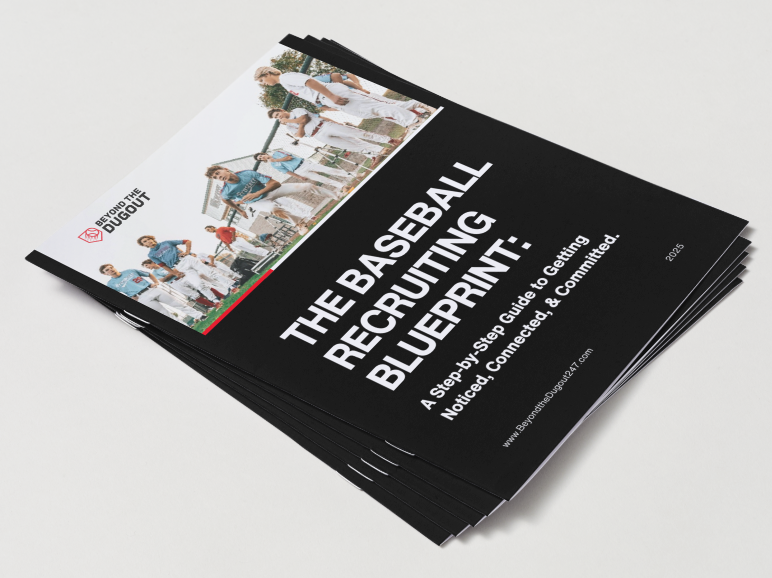
If you’re a parent or player navigating the recruiting process, check out my eBook .—
The Baseball Recruiting Blueprint: Practical Tips & Insights to Help You Navigate the Recruiting Process
It’s a step-by-step guide built from real experience — written by a parent currently going through the process. Learn how to get noticed, communicate with coaches the right way, and make confident decisions for your player’s future.