
When my son transferred to a private prep school, we were faced with a big decision: should he reclassify? At first, it felt strange — repeating a grade when he’d already worked so hard to get ahead. But after talking with coaches, admissions counselors, and other parents, it became clear that this wasn’t about falling behind. It was about giving him more time — time to grow physically, mentally, and academically.
For many baseball families, reclassifying is becoming one of the smartest moves a player can make. It’s a chance to add a year of development, maturity, and exposure before college recruiters start making their lists.
1. Athletic Benefits: Velocity, Strength, and Game IQ
Baseball is a late-development sport. Many players don’t physically mature until their junior or senior year — yet they’re being recruited at 15 or 16. That’s where reclassifying can make a major impact.
- Physical strength and size: Another year gives athletes time to grow into their bodies, build strength, and refine mechanics. A 16-year-old freshman body becomes a 17-year-old frame capable of driving the ball harder or sitting 3–5 mph higher on the mound.
- Better mechanics, less injury risk: Extra time with good coaching means refining movement patterns and improving efficiency — not just chasing velocity. Players often throw harder and stay healthier with an additional development year.
- Recruiting window advantage: Reclassifying moves a player into a younger recruiting class. That can buy valuable time to be seen by college coaches, attend showcases, and show measurable growth before decision time.
In short, reclassifying can turn a “late bloomer” into a legitimate prospect.
2. Academic Benefits: Building a Stronger Student-Athlete Profile
Private schools often bring more academic rigor and accountability — and for good reason. College coaches want players who can handle both the classroom and the field.
- Improved GPA and transcript: A repeated grade gives players time to improve study habits, boost their GPA, and retake courses or tests that strengthen their academic profile.
- Time to adjust: Transferring from public to private school can be a big jump in workload and structure. Reclassing allows players to adapt rather than scramble to keep up.
- College-ready mindset: An extra year gives student-athletes time to mature academically, manage schedules, and learn the discipline required at the next level.
3. Social and Emotional Growth: Confidence and Leadership
Baseball isn’t just about skill — it’s about composure, communication, and leadership. Those qualities often come with age and experience.
- Confidence boost: Being slightly older in a class can make a player more comfortable leading in the dugout or in the classroom.
- Better team fit: The transition to a private school community is smoother when a player has extra time to adjust socially and athletically.
- Leadership roles: Many reclassed athletes naturally step into captain or mentor roles, earning respect from teammates and coaches alike.
Final Thoughts: Reclassifying Isn’t Falling Behind — It’s a Competitive Edge
For baseball players, reclassifying isn’t about repeating a grade — it’s about adding a year of growth. More development time means better velocity, better grades, and better opportunities.
If your son is transferring to a private school and considering reclassing, take the time to weigh the full picture: physical maturity, academic readiness, and long-term goals. That one extra year could be the key to unlocking his potential — and maybe even his college baseball dream.
Ready to Take the Guesswork Out of Recruiting?
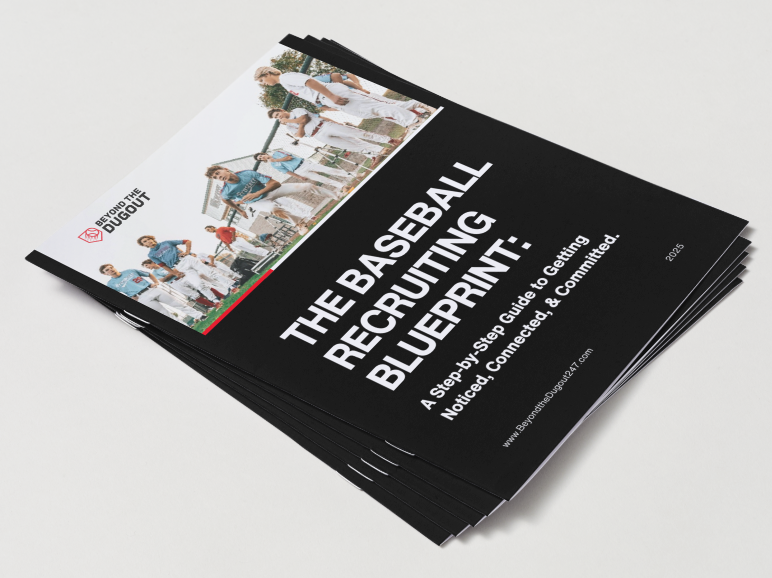
If you’re a parent or player navigating the recruiting process, check out my eBook .—
The Baseball Recruiting Blueprint: Practical Tips & Insights to Help You Navigate the Recruiting Process
It’s a step-by-step guide built from real experience — written by a parent currently going through the process. Learn how to get noticed, communicate with coaches the right way, and make confident decisions for your player’s future.